Yoga course · grades 1 to 6

Experience movement. Find calm. Grow together.

At my primary school, children can arrive in the yoga room, explore and discover new ways to relax. The yoga course combines movement, imagination, breathing and mindful calm—age-appropriate, playful and without pressure to perform.

A developmentally appropriate space for experience: The yoga course takes place at my primary school and is designed there for children in grades 1 to 6. First- and second-graders need a different approach from children in grades 5 and 6. I therefore adapt language, duration, movement, responsibility and periods of rest to each stage of development.

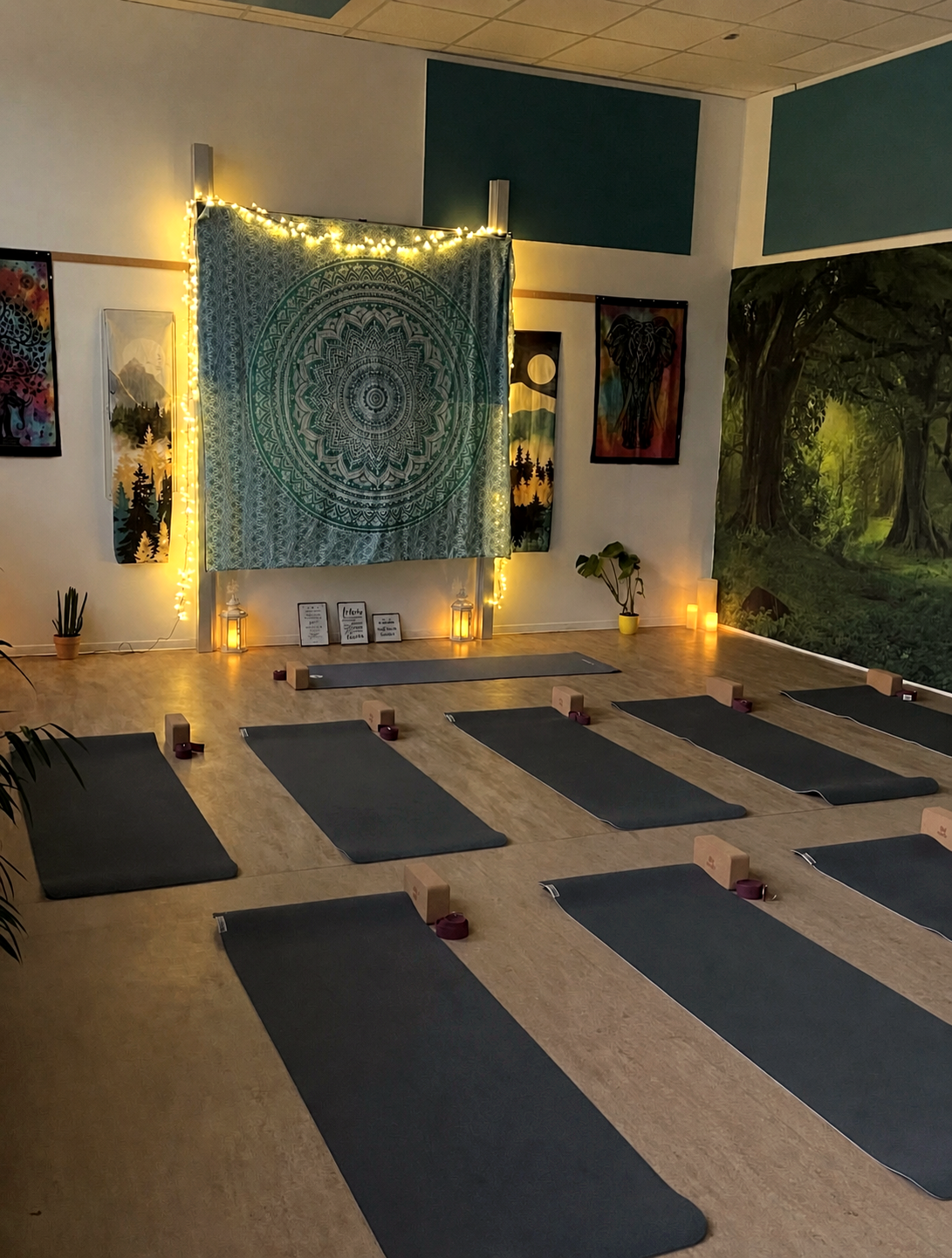
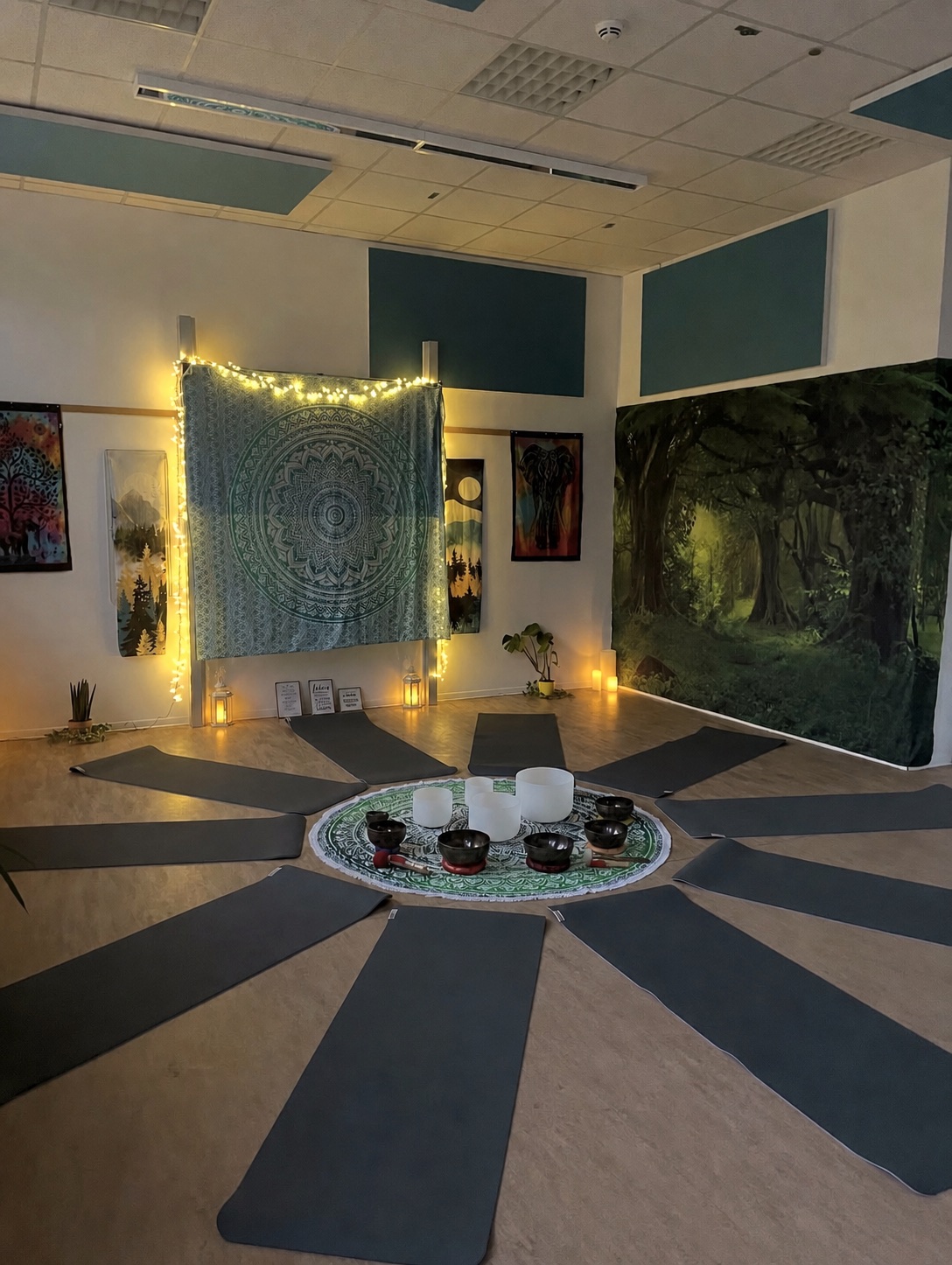
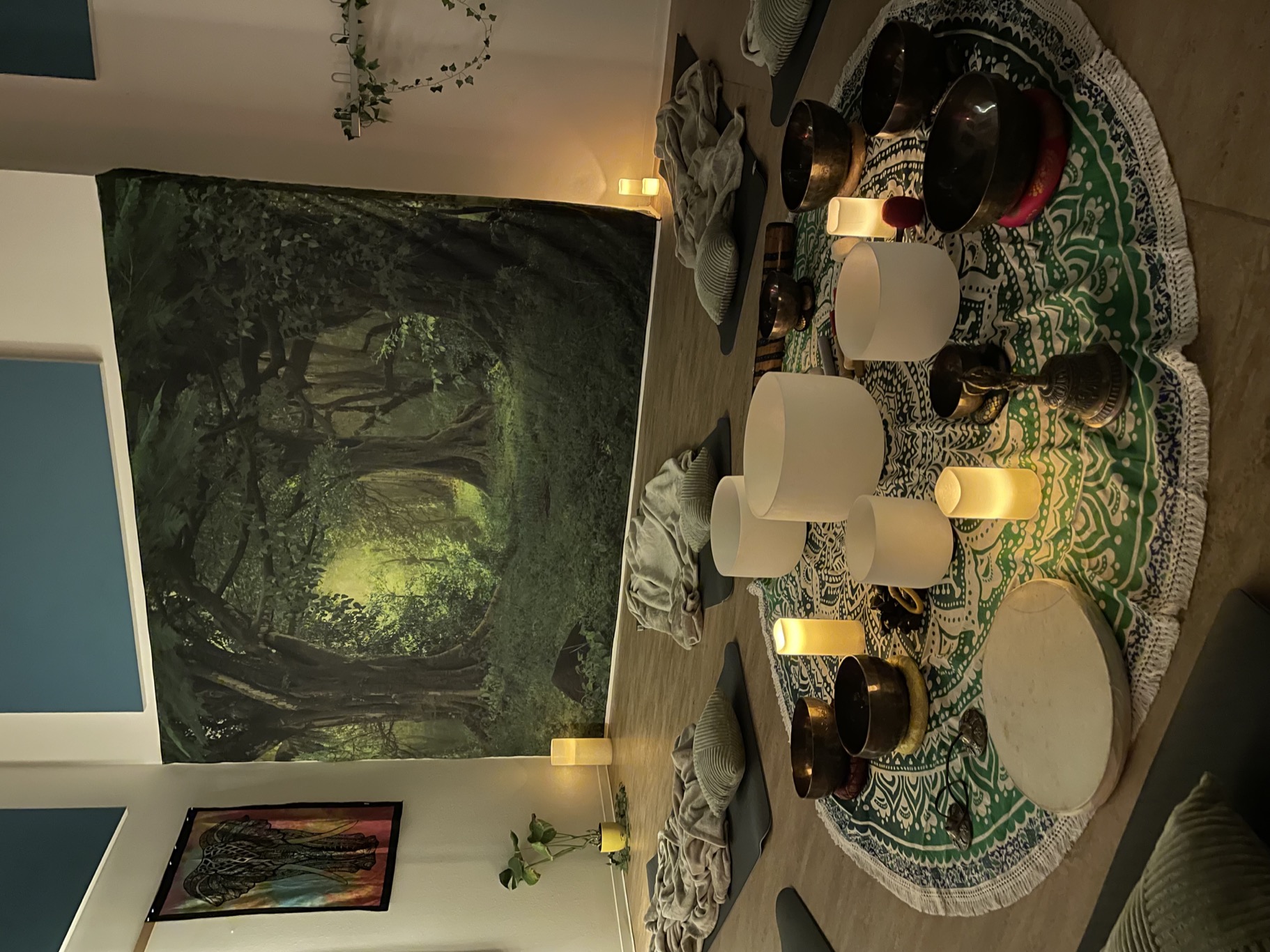
Prepared yoga room with mats, singing bowls and a child-friendly atmosphere

Yoga for each stage of development

The basic idea remains the same, but the path changes. These structures are examples and are always adapted to the group, the day and the situation.

Grades 1 & 2

Play, imagery and short moments of calm

Younger children experience yoga mainly through stories, animals, imagination and clear repetition. Movement is lively, while periods of rest remain intentionally short.

  1. Arrival ritual with sound or a greeting
  2. Movement game or animal story
  3. A few child-friendly yoga postures
  4. Playful breathing such as bee or balloon breathing
  5. Short guided journey and a shared closing ritual
Grades 3 & 4

Body awareness and conscious practice

As concentration grows, sequences become a little longer. Children can discover connections and repeat their first exercises more consciously.

  1. Check-in: How does my body feel today?
  2. Short movement flow or coordination game
  3. Yoga for balance, strength and mobility
  4. Breathing and partner exercises with clear rules
  5. Guided imagery, sound or a short reflection
Grades 5 & 6

Independence, stress and recovery

Older children are offered more choice and learn how movement, breathing and relaxation can support them with school stress and inner restlessness.

  1. Personal arrival without pressure to speak
  2. Strengthening or balancing yoga flow
  3. Balance, body tension and mindful challenge
  4. Breathing exercise or short meditation with explanation
  5. Longer relaxation and ideas for everyday school life

What children can take with them

  • Become more aware of their own body
  • Experience the joy of movement and coordination
  • Discover ways to relax
  • Strengthen confidence and self-image
  • Respond more mindfully to emotions and restlessness
  • Experience community without comparison or pressure
  • Notice their own boundaries and needs
  • Practise attention and concentration playfully
  • Learn simple exercises for challenging everyday situations
Real photograph of the prepared yoga room with singing bowls, mats and a forest backdropReal photograph of prepared yoga mats, blocks and straps
Elements of a class
Children's yogaPartner yogaGuided imageryBreathing exercisesRelaxationSoundAromasMassage storiesMindfulnessBody awarenessConfidenceReflectionTalking about feelings

Questions about the yoga course?

Parents can get in touch easily through the contact page.

Contact